
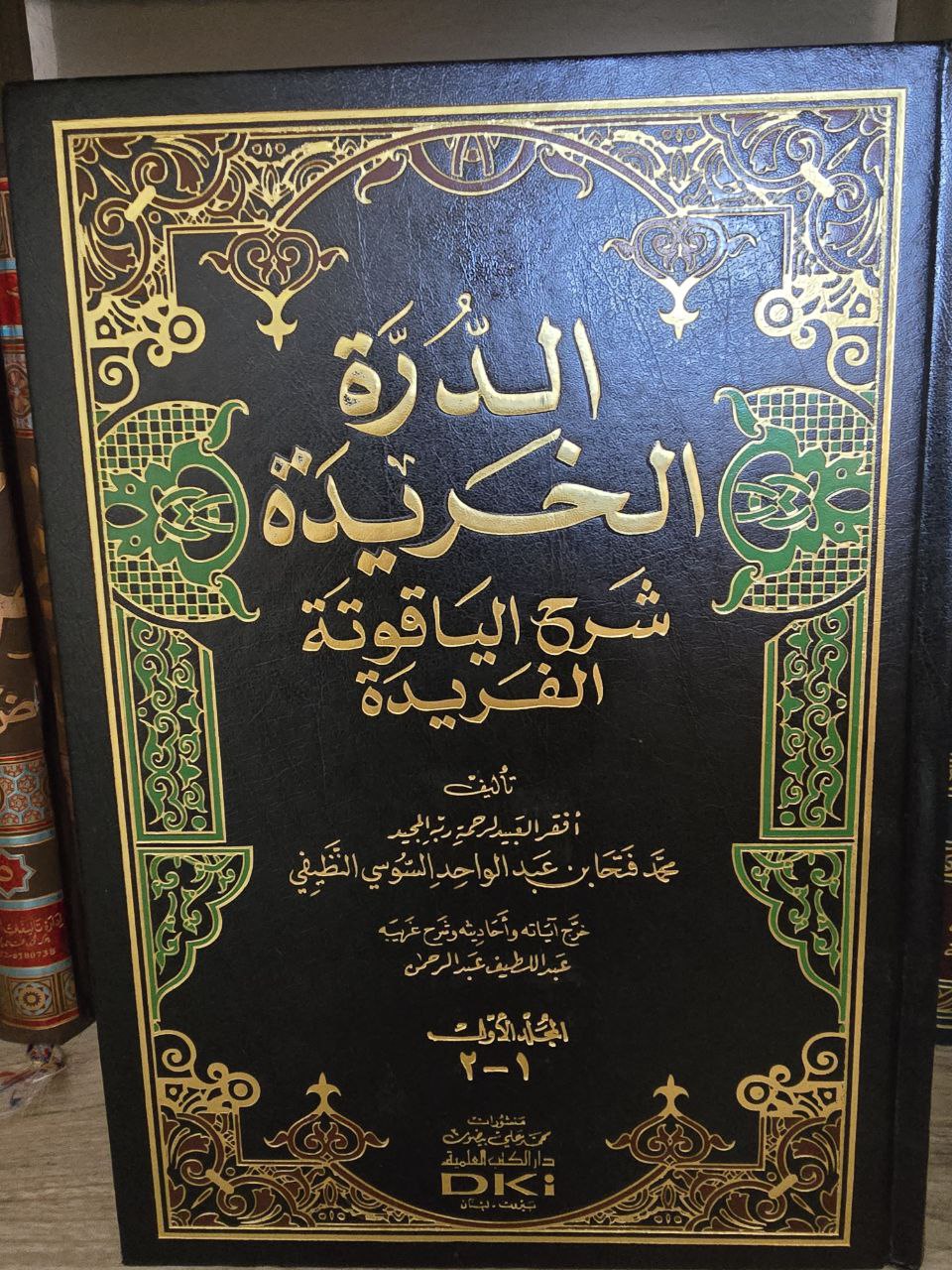
Shaykh Muhammad al-Nazifi al-Tijani said in al-Durra al-Kharida:
“It is thus required, for a gathering such as this [the wazifa], that the dhikr (remembrance) be recited aloud — the least of it being that one hears himself and those near to him [hear him]. As for the most, there is no prescribed limit. What is sought is that one hear himself and those beside him. As for going beyond that — to the point that one’s throat or voice becomes strained — this is among the reprehensible innovations. For the Prophet ﷺ said: ‘Be gentle with yourselves, for you are not calling upon one who is deaf or absent; rather, you are calling upon One who hears and sees.’
This is because excessive loudness departs from the bounds of dignity, composure, and serenity. It may even cause the limbs to tremble, contradicting the humility and submission required in remembrance — as is plainly witnessed in our own time among most of the brethren. Some who are even pointed to with distinction incite them to raise their voices greatly during the wazifa and tahlīl, claiming that whoever does not do so has neither wazifa nor tahlīl. How could he have knowledge of such a claim? Indeed, we belong to God, and to Him we shall return.
Rather, it befits a person to engage in dhikr with tranquility, reverence, humility, and lowliness — as though a bird were perched upon his head, or like a cat stalking a mouse, not a single hair of him moving, let alone his limbs. But as for one overcome by spiritual ecstasy, his state is his own, and God knows well what lies within hearts.
One whom I trust informed me that he once saw himself in a vision performing the wazifa aloud with the brethren. Then one of them turned to him and said, ‘Are you in the streets?’ — pronouncing the initial hamza with great elongation [آنت في الأزقة]. At that moment he repented to God, thereafter reciting so that only he and those near him could hear, for the best of matters lies in moderation.”

 Tijaniyat
Leave a comment